Title: How to Create a Google Drive Direct Download Link – Step‑by‑Step Guide & Pro Tips

—
Introduction: Why a Direct Download Link Matters
Imagine you’ve just finished polishing a high‑resolution video, a hefty PDF guide, or a software installer and you need to share it with a client, a team, or the world. You could send a regular Google Drive share link, but the recipient will land on a preview page and have to click “Download” manually. That extra click can be a friction point, especially when you’re distributing resources to a large audience, embedding files in a website, or automating downloads via scripts.
A Google Drive direct download link bypasses the preview screen and forces the file to start downloading instantly. It’s faster, cleaner, and looks more professional. In this post we’ll walk through exactly how to generate those links, explore the quirks of Google’s URL structure, and share advanced tricks for bulk operations, password‑protected sharing, and troubleshooting common errors. By the end, you’ll have a ready‑to‑use toolkit for turning any Drive file into a one‑click download.
—
1. Understanding the Anatomy of a Google Drive Link
Before you can transform a normal share URL into a direct download, you need to know what you’re looking at.
| Component | Example | What It Does |
|———–|———|————–|
| File ID | `1A2b3C4d5E6f7G8h9I0jKLMnoPQRsTuv` | The unique identifier for the file in Drive. It’s the string between `/d/` and `/view` (or after `id=` in the older format). |
| Base URL | `https://drive.google.com/file/d/` | The standard prefix for a file preview link. |
| Preview Suffix | `/view?usp=sharing` | Tells Google to open the preview UI. |
| Direct Download Suffix | `?export=download` | Forces the browser to download the file instead of previewing it. |
A typical share link looks like this:
“`
https://drive.google.com/file/d/1A2b3C4d5E6f7G8h9I0jKLMnoPQRsTuv/view?usp=sharing
“`
Swap the `/view?usp=sharing` part for `?export=download` and you get the direct download URL:
“`
https://drive.google.com/uc?export=download&id=1A2b3C4d5E6f7G8h9I0jKLMnoPQRsTuv
“`
Notice the alternative format that uses `/uc?` – Google’s “download endpoint”. Both patterns work, but the `/uc?export=download&id=` version is the most reliable across browsers and devices.
SEO tip: Sprinkle keywords like “Google Drive direct download link”, “Google Drive file ID”, and “download endpoint” naturally throughout the article to improve discoverability.
—
2. Step‑by‑Step: Creating a Direct Download Link
2.1. Upload & Set Permissions
1. Upload your file to Google Drive (drag‑and‑drop or “New → File upload”).
2. Right‑click the file → Share.
3. In the sharing dialog, click Change to anyone with the link and set the permission to Viewer. This step is crucial—if the file isn’t publicly accessible, the direct link will return a “Sorry, you don’t have access” error.
2.2. Grab the Shareable URL
1. In the same dialog, click Copy link.
2. Paste it somewhere safe; you’ll see something like:
“`
https://drive.google.com/file/d/1A2b3C4d5E6f7G8h9I0jKLMnoPQRsTuv/view?usp=sharing
“`
2.3. Extract the File ID
You can manually copy the string between `/d/` and `/view`, or use a quick online “ID extractor”. For most users, manual extraction is fastest:
- Highlight `1A2b3C4d5E6f7G8h9I0jKLMnoPQRsTuv`.
- Copy it to the clipboard.
- A Google Drive direct download link replaces the preview page with an instant file download, improving speed and professionalism.
- The core formula is `https://drive.google.com/uc?export=download&id=FILE_ID`. Extract the File ID from any standard share link and plug it in.
- For files larger than 100 MB, capture the `confirm` token to skip the virus‑scan warning.
- Automate bulk link creation with a short Google Apps Script, and embed the links seamlessly in websites, emails, or newsletters.
- Troubleshoot common errors by checking sharing permissions, confirming the correct ID, and handling large‑file warnings.
2.4. Build the Direct Download URL
There are two interchangeable formats:
| Format | URL Example |
|——–|————-|
| UC endpoint | `https://drive.google.com/uc?export=download&id=FILE_ID` |
| Alt endpoint | `https://drive.google.com/uc?export=download&id=FILE_ID&confirm=t` (adds a confirmation token for large files) |
Replace `FILE_ID` with the string you copied:
“`
https://drive.google.com/uc?export=download&id=1A2b3C4d5E6f7G8h9I0jKLMnoPQRsTuv
“`
2.5. Test the Link
Open a private/incognito window, paste the URL, and hit Enter. The file should start downloading automatically. If you see a Google warning page (“Google Drive can’t scan this file for viruses”), click Download anyway – this is a normal safety prompt for files larger than 100 MB.
—
3. Advanced Use Cases
3.1. Direct Downloads for Large Files ( > 100 MB )
Google adds a “virus scan” interstitial for files over 100 MB, which can break the seamless experience. To bypass it, you need to capture the confirmation token that Google generates on the warning page.
Manual method:
1. Click the regular direct link; you’ll land on a page with a Download anyway button.
2. Right‑click the button → Copy link address.
3. The copied URL will look like:
“`
https://doc-0g-8c-docs.googleusercontent.com/docs/securesc/…/download?e=download&authuser=0&confirm=XYZ123&…
“`
4. Use that full URL as your final direct download link.
Automated method (for developers):
“`bash
curl -c cookies.txt -L “https://drive.google.com/uc?export=download&id=FILE_ID” > /dev/null
curl -Lb cookies.txt “https://drive.google.com/uc?export=download&confirm=$(awk ‘/download/ {print $NF}’ cookies.txt)&id=FILE_ID” -o myfile.zip
“`
The `confirm` token is extracted from the first request’s cookies, allowing a one‑step script to fetch the file.
3.2. Embedding Direct Links in Websites & Email Campaigns
Because the URL is a plain HTTP link, you can embed it anywhere:
“`html
Download the e‑book now
“`
The `download` attribute hints to browsers that the resource is a file, improving the user experience on desktop browsers. In email newsletters, use a short URL service (bit.ly, tinyurl) to keep the link tidy and track clicks.
3.3. Bulk Generation with Google Apps Script
If you regularly need direct links for dozens of files, a simple Apps Script can automate the process.
“`javascript
function generateDirectLinks() {
const folderId = ‘YOURFOLDERID’;
const folder = DriveApp.getFolderById(folderId);
const files = folder.getFiles();
const sheet = SpreadsheetApp.getActiveSpreadsheet().getSheetByName(‘Links’);
sheet.clearContents();
sheet.appendRow([‘File Name’, ‘Direct Download URL’]);
while (files.hasNext()) {
const file = files.next();
const id = file.getId();
const url = `https://drive.google.com/uc?export=download&id=${id}`;
sheet.appendRow([file.getName(), url]);
}
}
“`
Run the script, and you’ll have a ready‑to‑paste table of direct download URLs in Google Sheets.
3.4. Password‑Protecting Direct Downloads (Workaround)
Google Drive itself doesn’t support password protection. However, you can add a layer of security by:
1. Zipping the file with a password (using 7‑Zip or WinRAR).
2. Upload the encrypted zip to Drive.
3. Share the direct download link.
4. Communicate the password through a separate channel (e.g., Slack, email).
This method keeps the download friction low while ensuring only authorized users can open the content.
—
4. Troubleshooting Common Issues
| Symptom | Likely Cause | Fix |
|———|————–|—–|
| “Sorry, the file you have requested does not exist.” | Wrong or missing File ID, or the file isn’t shared publicly. | Verify the ID, ensure the link’s sharing setting is Anyone with the link → Viewer. |
| “Google Drive can’t scan this file for viruses.” | File > 100 MB. | Use the confirmation token method (see Section 3.1) or accept the warning. |
| Download stalls at 0 KB | Browser blocks mixed‑content (HTTPS vs HTTP) or aggressive ad‑blocker. | Ensure the URL uses `https://` and whitelist the domain in your blocker. |
| File name appears as “download” instead of original name | Some browsers ignore the `download` attribute when the `Content‑Disposition` header isn’t set. | Append `&export=download&confirm=t` and add `&filename=YourFileName.ext` (works for some MIME types). |
| Direct link works for you but not for others | The file is still in a restricted sharing mode (e.g., limited to your organization). | Change sharing to Anyone with the link or use a Google Workspace domain‑wide sharing policy. |
Pro tip: When sharing a direct link publicly (e.g., on a blog), consider adding a short disclaimer: “The link will download the file directly. If you encounter a virus‑scan warning for large files, click ‘Download anyway’.”
—
5. Best Practices for SEO & User Experience
1. Use descriptive file names before uploading (e.g., `2024‑Marketing‑Guide.pdf`). Google preserves the original name in the `Content‑Disposition` header, which improves click‑through rates.
2. Add alt text and contextual text around the link on your webpage. Search engines treat the surrounding content as relevance signals.
3. Leverage schema markup – add `ItemList` or `SoftwareApplication` schema if you’re distributing a product installer.
4. Monitor bandwidth – Google caps download traffic for free accounts after a certain threshold. If you expect heavy traffic, consider Google Workspace or an alternative CDN.
5. Keep the URL clean – avoid extra parameters unless needed for confirmation tokens. Clean URLs are more shareable and look trustworthy to users.
—
Conclusion: Key Takeaways
By mastering these steps, you’ll turn Google Drive into a lightweight, on‑demand distribution hub—perfect for marketers, educators, developers, and anyone who wants a frictionless download experience. Go ahead, generate that direct link, and watch your file sharing become smoother than ever. 🚀
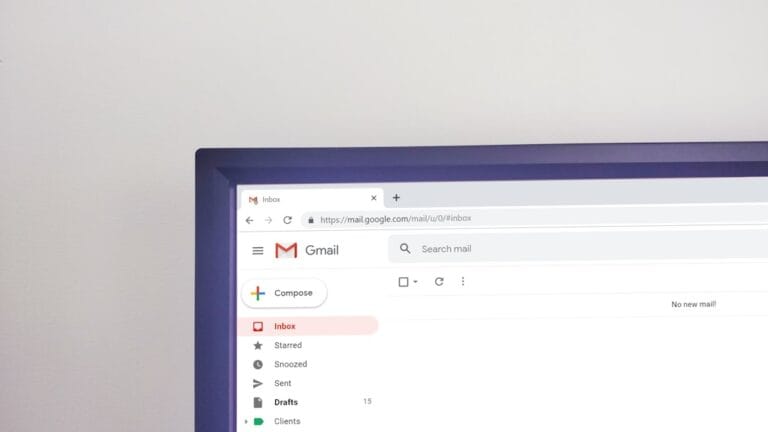
![Google Drive Downloader | Free Google Drive Direct Link Generator [2025]](https://googledrivedownloader.com/wp-content/uploads/google-drive-downloader-768x434.png "How to Generate a Google Drive Direct Download Link in 2 Minutes")