Title: Cloud Storage Pricing 2026: What to Expect, How to Save, and Which Provider Wins the Deal

—
Introduction – Why the Cloud‑Storage Billboard Is Getting Bigger
If you’ve ever checked your monthly bank statement and wondered where that extra “$‑” came from, you’re not alone. In 2025, global spending on cloud storage topped $115 billion, and analysts predict the market will grow another 12 % by the end of 2026. That growth isn’t just about more data—it’s about smarter, more flexible pricing models that can either shrink or swell your IT budget overnight.
So, what will cloud storage pricing 2026 look like? Will the “pay‑as‑you‑go” mantra finally become truly affordable, or will hidden fees keep sneaking in? In this post we’ll decode the latest trends, break down the numbers from the biggest providers, and give you a step‑by‑step cheat sheet to keep your cloud‑storage costs under control. Grab a coffee, and let’s demystify the price tags before they surprise you again.
—
1. The Big Shifts Shaping Cloud Storage Costs in 2026
1.1 Tier‑Based Pricing Gets Finer‑Grained
In 2023 most vendors offered three broad tiers—standard, infrequent access, and archive. By 2026 those tiers have splintered into six‑plus micro‑tiers that align storage class with specific use‑cases such as AI‑training datasets, edge‑device backups, or regulatory‑compliant vaults.
Why it matters: The more granular the tier, the more you can match data to the cheapest appropriate class. A single bucket that mixes hot analytics logs with cold compliance records will now incur a “mixed‑class surcharge.” Splitting the data into separate buckets can shave 15‑30 % off your bill.
1.2 “Cold‑Storage as a Service” (CSaaS) Takes Off
Cold storage used to be a niche, but 2026 sees Cold‑Storage as a Service bundles that combine archival durability (11 9’s) with automated lifecycle policies. Providers like Backblaze B2 Cold, Google Cloud Archive Flex, and IBM Cloud Ice now price per TB‑month plus a tiny retrieval fee, often under $0.005/GB for long‑term retention.
Actionable tip: If you have data you’ll never need for at least 12 months (e.g., legal e‑discovery, raw video footage), move it to a CSaaS tier now and lock in a multi‑year discount of up to 40 %.
1.3 Dynamic Pricing Powered by AI
Artificial‑intelligence engines are now crunching usage patterns in real time, adjusting per‑GB rates based on demand spikes, regional capacity, and even renewable‑energy availability. Think of it as “surge pricing” for the cloud, but with a twist: AI‑optimised discounts appear when you enable “flex‑storage” options that let the provider shift your data to under‑utilised data centers.
How to leverage it: Enable the provider’s “flex‑storage” flag, set a maximum price ceiling, and let the AI move data automatically. Most dashboards now show a projected savings chart—use it to negotiate a custom SLA with a guaranteed 5‑10 % discount.
—
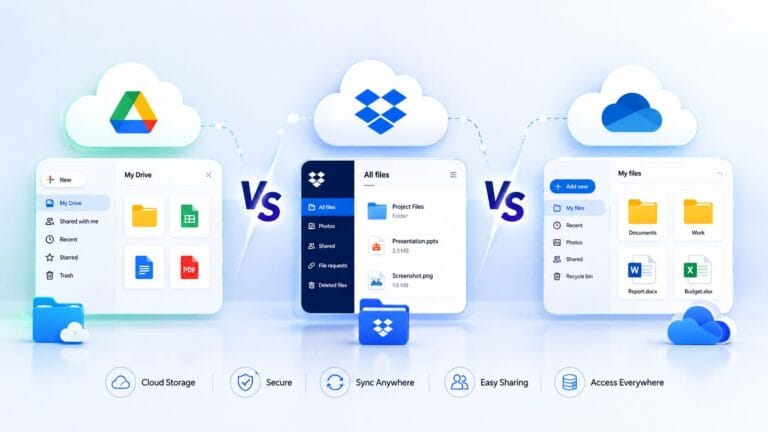
2. Comparing the Top Cloud Storage Providers – 2026 Price Snapshot
| Provider | Standard (Hot) Price/GB‑mo | Infrequent Access Price/GB‑mo | Archive/Cold Price/GB‑mo | Retrieval Fee* | Notable 2026 Feature |
|———-|—————————|——————————|————————–|—————-|———————-|
| Amazon S3 | $0.023 | $0.0125 | $0.00099 | $0.01 per GB (first 10 TB) | AI‑driven “Intelligent‑Tiering” now auto‑optimises across 7 micro‑tiers |
| Google Cloud Storage | $0.020 | $0.010 | $0.0012 | $0.005 per GB (first 1 TB) | “Cold‑Archive Flex” with per‑year lock‑in discounts up to 35 % |
| Microsoft Azure Blob | $0.022 | $0.011 | $0.0010 | $0.008 per GB (first 5 TB) | “Cool‑to‑Archive Auto‑Migrate” powered by Azure AI |
| Backblaze B2 | $0.005 | $0.0025 | $0.0010 | $0.01 per GB (any amount) | Flat‑rate “Cold‑Storage as a Service” with no egress surcharge for first 5 TB |
| IBM Cloud Object Storage | $0.021 | $0.0105 | $0.0011 | $0.009 per GB (first 2 TB) | “Flex‑Data Center” that moves data to low‑cost regions automatically |
*Retrieval fees are shown for the first tier of data transferred; volume discounts apply after thresholds are met.
2.1 How to Choose the Right Provider for Your Budget
1. Calculate your data lifecycle – Map out how long each dataset stays “hot,” “warm,” or “cold.”
2. Run a cost model – Most providers publish a cloud storage cost calculator. Input your lifecycle percentages, expected egress, and region to get a baseline.
3. Factor in hidden costs – API request fees, data‑transfer between regions, and early‑deletion penalties can add up to 5‑12 % of total spend.
4. Test the AI‑optimisation – Sign up for a 30‑day trial of the provider’s intelligent tiering. Compare actual spend vs. static tier pricing.
5. Negotiate volume discounts – If you exceed 10 PB annually, most enterprise contracts now include a 10‑20 % discount on top of the listed rates.
—
3. Actionable Strategies to Trim Your Cloud Storage Bill in 2026
3.1 Implement a Data‑Retention Policy with Automated Lifecycle Rules
- Identify “dead” data – Use built‑in analytics (e.g., AWS S3 Inventory, GCP Storage Insights) to flag objects not accessed in the last 90 days.
- Set lifecycle transitions – Move those objects to the appropriate cold tier automatically.
- Schedule deletion – For data that must be kept only for compliance, set a hard‑delete rule after the legal hold period ends.
- Step‑by‑step:
- Batch uploads – Group small files into larger archives (e.g., TAR, ZIP) before uploading.
- Cache metadata – Store frequently accessed object metadata in a Redis or DynamoDB cache to avoid repeated LIST calls.
- Use “multipart upload” wisely – For files > 100 MB, multipart reduces retry costs and speeds up transfers.
- Negotiation tip: Start with a 12‑month commitment, evaluate usage after six months, then renegotiate for a longer term if you’re under the committed threshold.
- Pro tip: Pair a commit‑to‑save with a “flex‑storage” flag to still benefit from AI‑driven price reductions while guaranteeing a floor price.
- Action: Deploy a hybrid model—store raw sensor data at the edge for 30 days, then archive to the central cloud. This reduces latency and cuts long‑haul transfer fees.
- What to do: Choose regions powered by renewable energy for non‑critical workloads. Many dashboards now show a “green‑score” that correlates with a 2‑5 % price discount.
- Pilot suggestion: Store a non‑regulatory backup set on a decentralized network for a year and compare total cost of ownership (TCO) against traditional cold storage.
Result: Companies that enforce lifecycle automation report an average 22 % reduction in storage spend within the first six months.
3.2 Leverage Multi‑Region Replication Only When Needed
Replication improves durability but doubles (or triples) storage costs. In 2026, regional latency‑aware replication allows you to keep a single primary copy in a low‑cost region and only replicate to a secondary region during peak traffic windows.
1. Enable “on‑demand replication” in your provider’s console.
2. Define a schedule (e.g., replicate every 12 hours during business hours).
3. Use a CDN edge cache for read‑heavy workloads instead of full replication.
Savings: Up to 30 % less egress and storage compared to always‑on multi‑region setups.
3.3 Optimize API Calls and Request Charges
Every PUT, GET, or LIST request can cost fractions of a cent. At scale, those fractions become dollars.
Bottom line: Reducing request volume by 20 % can shave $1,200‑$2,500 off an annual $150k storage bill.
3.4 Take Advantage of “Commit‑to‑Save” Discounts
Most major clouds now offer commit‑to‑save contracts: commit to a specific storage volume for 1‑3 years and lock in a lower per‑GB rate.
—
4. Future‑Proofing Your Cloud‑Storage Strategy
4.1 Prepare for the Rise of Edge‑Centric Storage
2026 sees a surge in edge‑computing workloads (IoT, AR/VR, autonomous vehicles). Edge nodes will start offering local object storage with pricing that mirrors central cloud but with lower egress.
4.2 Keep an Eye on Sustainability‑Based Pricing
Regulators and customers are demanding greener cloud solutions. Providers now add a sustainability surcharge (or discount) based on the carbon intensity of the data center.
4.3 Monitor Emerging Decentralized Storage Networks
Projects like Filecoin, Arweave, and Storj are gaining enterprise traction, offering pay‑once‑store‑forever models. While still niche, they could become cost‑competitive for archival data by 2027.
—
Conclusion – Key Takeaways for Mastering Cloud Storage Pricing in 2026
1. Granular tiers and AI‑driven pricing give you more levers to lower costs, but they also demand active lifecycle management.
2. Provider comparison matters: Amazon, Google, Azure, Backblaze, and IBM each have unique price sweet spots—run a cost calculator with your actual data mix before signing a contract.
3. Automation is your best friend: Use lifecycle rules, on‑demand replication, and request‑batching to eliminate hidden fees.
4. Commit‑to‑save + flex‑storage combos can lock in discounts while still benefiting from dynamic price drops.
5. Future‑proof by embracing edge storage, sustainability discounts, and keeping a watchful eye on decentralized alternatives.
By treating cloud storage not as a static utility but as a strategic, data‑driven expense, you’ll keep your 2026 budget lean, your compliance solid, and your performance snappy. Start today—run a quick audit of your existing buckets, apply at least one of the actionable tips above, and watch the savings stack up. Happy storing!